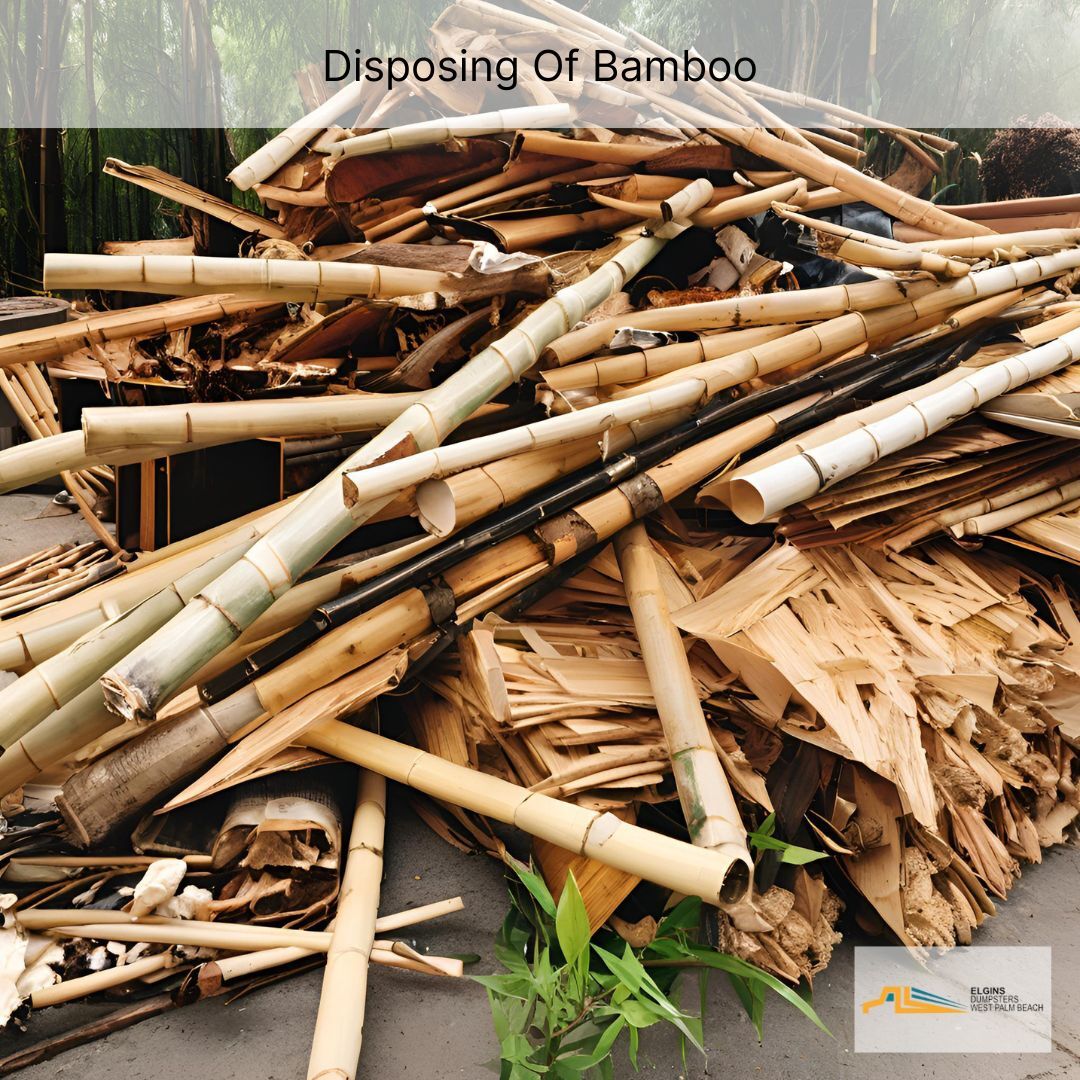
Handling construction debris in West Palm Beach doesn’t have to be complicated—as long as you know your disposal options and follow local guidelines. Whether you’re renovating a historic home near Flamingo Park or managing a construction site in the downtown district, it’s important to safely and legally dispose of materials such as drywall, shingles, bricks, dirt and rocks, sand, concrete, tile & flooring, insulation, PVC pipes, and metal scraps. West Palm Beach offers several efficient solutions, from roll-off dumpster rentals to designated debris drop-off locations and professional haulers. This guide breaks down each method so you can manage waste responsibly, without delays or fines.
Your Construction Debris Disposal Options in West Palm Beach

Whether you’re updating a historic home in El Cid, building a new property in Flamingo Park, or managing a renovation near the Intracoastal, knowing how to properly dispose of construction debris in West Palm Beach is essential. Materials like drywall, shingles, bricks, dirt and rocks, concrete, sand, tile & flooring, insulation, PVC pipes, and metal scraps can’t go in your standard trash bin. Fortunately, several options are available locally to help you stay compliant, efficient, and environmentally responsible.
1. Use City-Sponsored Bulk Waste Drop-Off Centers
West Palm Beach residents can take advantage of Solid Waste Authority (SWA) drop-off centers, including the Home Chemical & Recycling Centers (HCRCs) that accept limited construction debris from homeowners. Facilities such as the North County Transfer Station and West Central Landfill provide convenient ways to dispose of items like broken tiles, small batches of concrete, or bagged insulation.
Note: These sites are for residential use only—contractors and commercial haulers must use separate facilities or obtain proper permits.
Tips:
Bring proof of residency and keep your materials sorted
Most sites have weight or load limits, especially for loose debris
Visit swa.org or call 561-640-4000 for site-specific rules
Pros:
✔️ Free or low-cost for homeowners
✔️ Environmentally managed disposal
✔️ Several facilities throughout Palm Beach County
Cons:
❌ Commercial loads not accepted
❌ Limited capacity for large projects
❌ Self-haul only
2. Rent a Roll-Off Dumpster for Construction Waste
For projects that generate large or continuous debris—like roofing jobs, full kitchen renovations, or landscaping tear-outs—renting a roll-off dumpster is the most scalable option. Dumpsters come in 10-yard, 15-yard, or larger sizes and are well-suited for debris like concrete, sand, flooring, and bricks.
Local Dumpster Services:
Bin There Dump That
Tel: 561-821-3544
Elgins Dumpsters West Palm Beach
Tel: (561) 420-6833
Tips:
Use a 10-yard dumpster for dense materials like concrete
Avoid placing prohibited materials like treated wood or hazardous waste
Make sure there’s a clear path for drop-off and pickup
Pros:
✔️ Handles high volumes and heavy debris
✔️ Load at your own pace
✔️ Convenient for longer projects
Cons:
❌ Requires space for container placement
❌ Permits may be needed for public access areas
❌ Overloading can lead to extra fees
3. Hire a Licensed Construction Debris Hauler
Don’t want to load or haul debris yourself? Licensed junk removal companies in West Palm Beach offer full-service construction debris removal. Whether you’re clearing out drywall, PVC pipes, metal scraps, or broken tile, companies like Junk Boss Palm Beach, College HUNKS, or 1-800-GOT-JUNK can do the heavy lifting for you.
These services are especially helpful for tight job sites or when quick cleanup is a priority.
Local Junk Removal Specialists:
Junk King Palm Beach
1700 Latham Rd Ste 22, West Palm Beach, FL 33409, United States
Tel: 561-537-5799
All Out Junk Removal
120 S Olive Ave Suite 705, West Palm Beach, FL 33401, United States
Tel: 866-889-5865
Tips:
Ask if they sort for recycling
Book ahead during peak seasons (e.g., hurricane recovery months)
Get a quote based on load size or item count
Pros:
✔️ No lifting or transportation needed
✔️ Fast, efficient removal
✔️ Great for indoor or restricted sites
Cons:
❌ Can be more expensive than self-service
❌ Some items may incur extra fees
❌ Not ideal for long-term projects
4. Recycle or Reuse Eligible Construction Materials
If your debris includes recyclable materials like metal, concrete, or intact flooring, West Palm Beach offers several options for responsible reuse. Facilities like Palm Beach Aggregates, Resource Recovery Systems, and Habitat for Humanity ReStore accept certain construction materials—either for recycling or for donation.
This is an excellent way to minimize landfill impact while supporting local community programs.
Tips:
Contact the center first to confirm material eligibility
Bundle or palletize materials when possible for easier handling
Clean and sort debris to ensure acceptance
Pros:
✔️ Eco-conscious option
✔️ Helps reduce waste volume
✔️ May qualify for donation receipts
Cons:
❌ Not all materials are accepted
❌ Drop-off only—no pickup
❌ Requires extra sorting effort
5. Take Debris to a Local Landfill or Transfer Station
If you have the equipment and manpower, you can take construction debris directly to a local landfill or SWA-operated transfer station. These facilities accept bulk waste, including shingles, bricks, dirt and rocks, and tile, for a fee based on weight and material type.
Check with the SWA Customer Information Services before your visit to ensure your materials are allowed and that you’re following the latest drop-off protocols.
Where to dispose of construction waste in West Palm Beach:
WM – Recycling Riviera Beach
7095 Barbour Rd, Riviera Beach, FL 33407, United States
Tel: 561-842-8302
https://www.wm.com/us/en/location/fl/riviera-beach/trash-pickup-riviera-beach-fl
Tips:
Secure your load to prevent spillage or code violations
Bring a tarp and gloves for safe handling
Avoid peak hours for faster service
Pros:
✔️ Direct and cost-effective disposal
✔️ Accepted at multiple Palm Beach County locations
✔️ Available for both residents and businesses
Cons:
❌ Requires vehicle and physical labor
❌ Disposal fees apply
❌ Wait times during busy periods
Choosing the Right Construction Debris Disposal Method for Your Project
In West Palm Beach, selecting the right way to dispose of construction debris depends on your project’s size, debris type, and whether you’re a homeowner or contractor. The table below offers a side-by-side comparison of the most common options available across the city and Palm Beach County.
| Disposal Method | Advantages | Disadvantages |
|---|---|---|
| SWA Drop-Off Centers |
– Free or low-cost for Palm Beach County residents – Convenient for small, sorted loads – Environmentally managed facilities |
– Not available for contractors – Load size and material restrictions apply – Transportation required |
| Roll-Off Dumpster Rental |
– Best for major cleanouts or renovations – Flexible rental periods – No repeated trips to landfill |
– Requires driveway or street space – Permit may be needed if placed on public property – Higher cost for short-term or small loads |
| Licensed Debris Hauler |
– Full-service, no lifting required – Great for tight urban areas or condos – Often includes sorting and recycling |
– More costly per cubic yard – Must coordinate pickup times – Less control over sorting |
| Recycle or Donate Materials |
– Supports local nonprofits like Habitat for Humanity – Eco-friendly solution – May offer tax benefits for donations |
– Only usable or clean items accepted – Prep and delivery required – Limited item acceptance at some centers |
| Palm Beach County Landfill |
– Open to residents and businesses – Accepts most types of construction debris – Fast disposal if self-hauling is possible |
– Requires vehicle, labor, and safety gear – Tipping fees based on weight – Wait times possible during busy hours |
Local Guidelines for Construction Waste Disposal in West Palm Beach & Palm Beach County
Properly disposing of construction debris in West Palm Beach requires an understanding of local SWA policies, accepted materials, and container placement regulations. Whether you’re handling a small DIY renovation or a larger contractor-led project, following these guidelines helps ensure compliance with county rules and avoids unnecessary fees or delays.
Accepted Construction Debris
The Solid Waste Authority of Palm Beach County (SWA) operates multiple facilities where residents and licensed contractors can dispose of construction and demolition (C&D) debris. Commonly accepted materials include:
Drywall and sheetrock
Untreated wood and lumber
Concrete, bricks, blocks, and pavers
Roofing shingles and tar paper
Dirt, sand, and rocks
Floor and wall tile
Non-asbestos insulation
Clean metal (rebar, wire, piping, aluminum)
PVC pipes and conduit
You can take these materials to facilities such as:
North County Landfill (6330 N. Jog Rd., West Palm Beach)
Transfer Stations located in Belle Glade, Lantana, and Royal Palm Beach (check facility-specific rules)
For larger volumes or ongoing disposal needs, roll-off dumpsters from permitted haulers can be used throughout West Palm Beach and the surrounding areas.
Prohibited or Restricted Materials
The following items are not accepted at standard SWA C&D disposal sites and must be handled separately through designated recycling or hazardous waste programs:
Treated or painted wood (check for restrictions)
Paints, varnishes, solvents, and flammable liquids
Electronic devices (TVs, monitors, computers)
Appliances (refrigerators, water heaters, A/C units)
Asbestos-containing materials
Tires, car batteries, and motor oil
Compressed gas cylinders
Household Hazardous Waste and e-waste can be dropped off at any Home Chemical and Recycling Center (HCRC) in Palm Beach County. For a list of locations and hours, visit swa.org or call 561-640-4000.
Permits for Dumpster Placement
If you’re renting a roll-off dumpster in West Palm Beach, permit requirements vary based on placement:
On Private Property (e.g., driveway or construction site): No permit is typically required.
On Public Property (e.g., curb, swale, sidewalk, or street): You may need a Temporary Right-of-Way Permit through the City of West Palm Beach Public Works Department.
Permit approval may depend on:
Dumpster size
Duration of placement
Impact on traffic or pedestrian pathways
To avoid citations, coordinate with your dumpster provider and confirm requirements with the city or county permitting office. Most professional haulers can help guide or file the necessary paperwork.