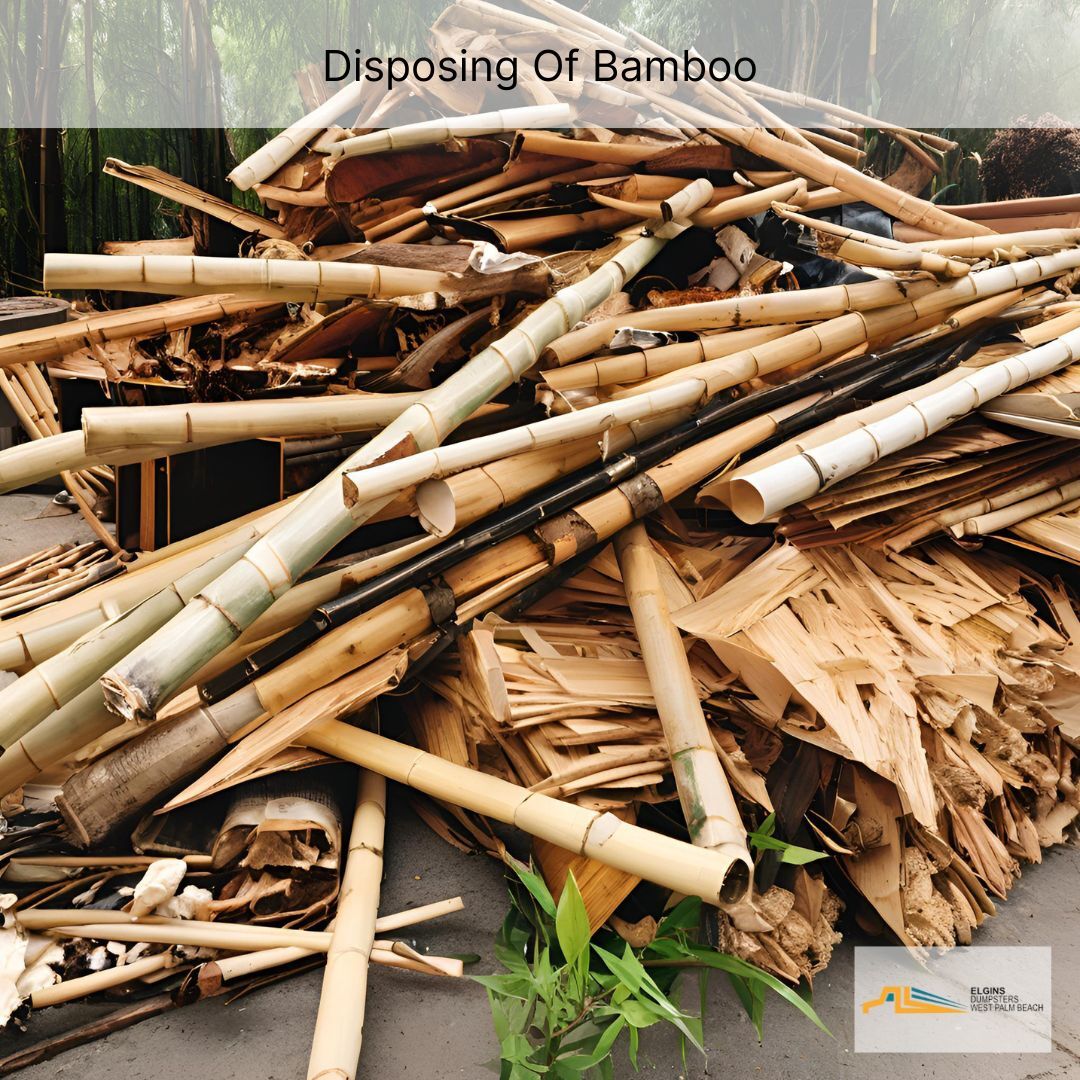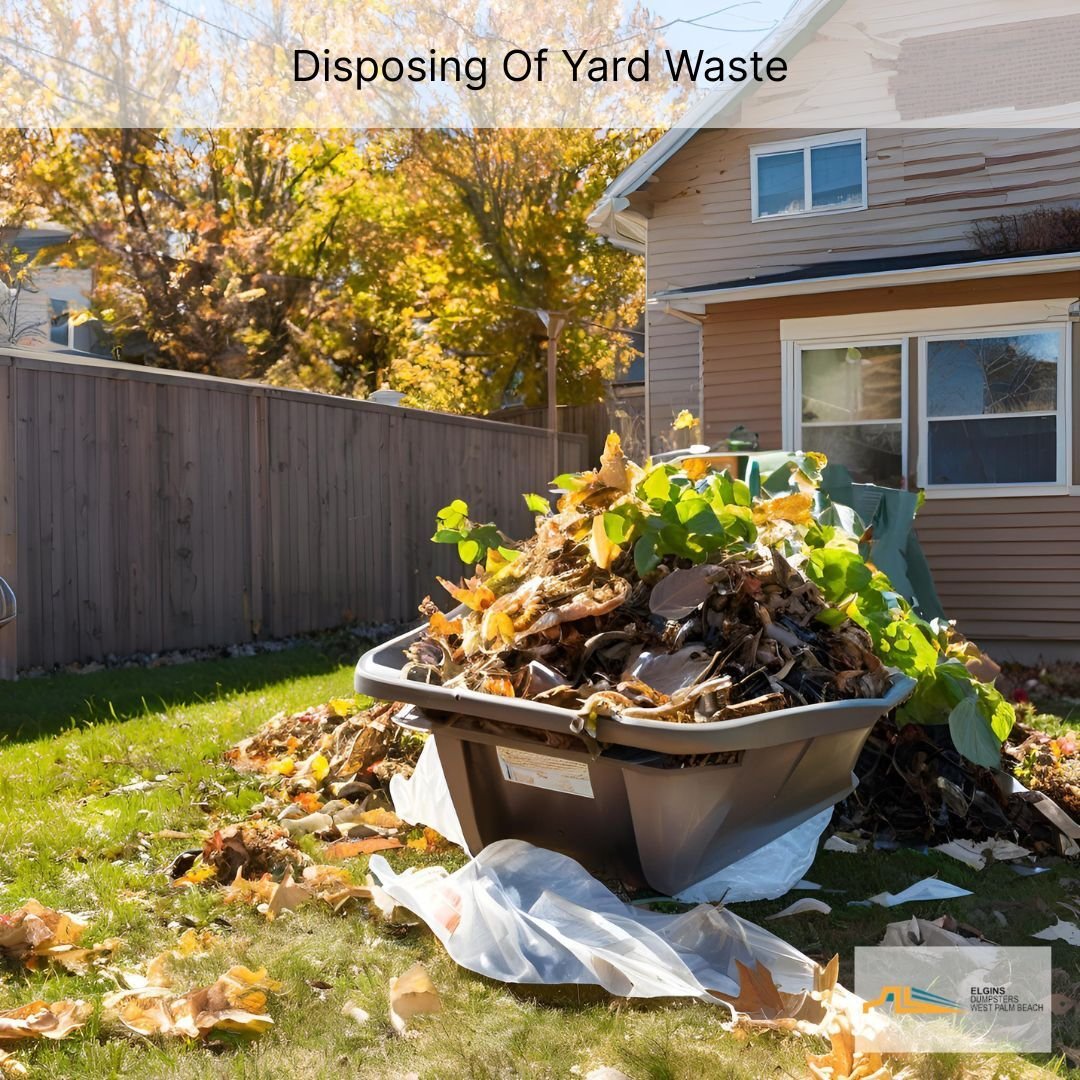
If you’re preparing for a yard cleanup in West Palm Beach—whether it’s regular lawn care, post-storm debris removal, or a full-scale landscape project—it’s important to know how to dispose of yard waste safely and within county regulations. Yard debris, including palm fronds, grass clippings, mulch, branches, and even dirt, requires specific handling depending on quantity, type, and condition.
In this guide, we’ll explain how to get rid of yard waste in West Palm Beach using methods approved by the Solid Waste Authority of Palm Beach County (SWA). From weekly curbside collection and community drop-off sites to eco-conscious composting and bulk dumpster rentals, you’ll learn how to choose the most efficient, cost-effective, and environmentally responsible solution based on your project’s needs.
Whether you’re a homeowner managing seasonal maintenance or a landscaping contractor tackling larger volumes, this local resource will help you stay compliant, reduce landfill waste, and streamline your cleanup process in Palm Beach County.
What Qualifies as Yard Waste in West Palm Beach?
Before starting a yard cleanup project in West Palm Beach, it’s essential to understand what materials are classified as yard waste under Palm Beach County’s Solid Waste Authority (SWA) guidelines. Yard waste—sometimes called vegetative waste or green debris—includes organic materials generated from regular landscaping, gardening, or storm recovery activities.
Knowing the difference between accepted and non-accepted items helps prevent contamination issues, avoids fines, and ensures your waste is picked up or dropped off without problems. SWA provides clear rules for curbside collection and facility drop-offs, making it easier for both homeowners and contractors to stay compliant.
Common Types of Yard Debris
In West Palm Beach, the following materials are typically accepted as yard waste, as long as they are clean and properly prepared:
Leaves – Loose or bagged leaves from trees, palms, and shrubs.
Grass Clippings – Fresh or dry clippings from mowing or edging.
Bush and Hedge Trimmings – Clipped vegetation or entire small shrubs (remove soil and roots if possible).
Tree Branches and Limbs – Must be cut to 6 feet or less and weigh under 50 pounds for curbside pickup.
Tree Stumps and Logs – Small, manageable sections may be accepted at designated disposal sites.
Mulch and Wood Chips – Natural and untreated mulch is considered compostable and accepted in most cases.
Soil and Dirt – Accepted in limited quantities and only when separated from other debris. Bulk amounts may require separate disposal as construction debris.
Garden Waste – Dead plants, vines, weeds, and trimmings from garden beds or seasonal refreshes.
What is NOT Yard Waste?
Some materials that originate outdoors do not qualify as yard waste and must be disposed of through other solid waste streams:
Treated or Painted Wood – Includes fence boards, decking, or lumber with paint or preservatives.
Plastic Pots and Bags – Nursery containers and garbage bags must be removed before disposal.
Artificial Turf and Landscape Fabric – Synthetic materials are not compostable and must be hauled as bulky waste.
Rocks, Gravel, and Bricks – Inert materials like stones and pavers are considered construction debris and must be separated.
Outdoor Furniture or Decorations – Non-organic garden items like lights, fountains, or edging are excluded from yard waste classification.
Animal Waste or Food Scraps – These are household or compost waste—not accepted in yard debris loads.
Contaminated Loads – If your yard waste is mixed with trash, recyclables, or hazardous materials, it may be rejected or incur added disposal fees.
Properly sorting your yard waste ensures smoother pickup or drop-off, supports Palm Beach County’s composting and recycling goals, and keeps your property in compliance with SWA disposal standards. When in doubt, check directly with SWA or your hauler to confirm what’s accepted.
5 Ways to Dispose of Yard Waste in West Palm Beach
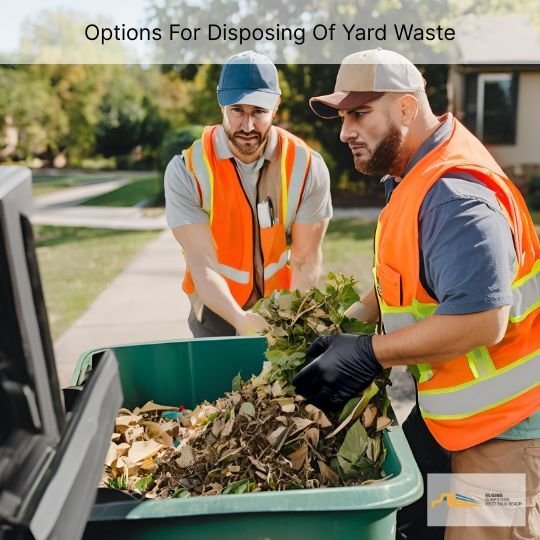
Whether you’re pruning palms, removing overgrown hedges, or dealing with post-storm yard debris, understanding how to dispose of yard waste in West Palm Beach will help you stay compliant, reduce landfill waste, and simplify cleanup. From SWA-provided services to private disposal solutions, here are five efficient and approved ways to get rid of green waste in Palm Beach County.
1. Use SWA’s Curbside Yard Waste Collection Program
The Solid Waste Authority of Palm Beach County provides weekly curbside yard waste collection to most residential neighborhoods. It’s the most convenient option for disposing of routine yard trimmings and small landscape debris.
How it works:
Yard debris must be bundled, bagged in biodegradable paper, or placed in personal containers no larger than 32 gallons.
Branches and limbs must be under 6 feet long and weigh less than 50 pounds per bundle.
Acceptable items include leaves, small branches, hedge trimmings, and grass clippings.
Set materials curbside by 6 a.m. on your scheduled collection day.
Note: Mixed loads, plastic bags, or oversized items may be rejected. Large logs or stumps may require alternate disposal options.
Check your pickup schedule at: swa.org
2. Rent a Dumpster for Large-Scale Yard Projects
For major cleanups—like tree removal, landscape overhauls, or hurricane debris—renting a dumpster is the fastest way to dispose of yard waste in volume.
Lowboy containers are ideal for:
Logs, stumps, and oversized branches
Sod, dirt, and mulch
Root ball and dense brush
Mixed vegetative debris from full property clearing
Local companies like Elgins Dumpsters West Palm Beach and Discount Dumpsters offer roll-off dumpsters sized for yard work, with easy delivery and pickup services.
What Yard Waste Cannot Be Placed in a Dumpster?
While roll-off dumpsters simplify large cleanups, not all materials are accepted due to SWA disposal regulations and weight restrictions:
???? Treated or Painted Wood
– Includes fencing, pressure-treated lumber, and painted decking (must go to C&D facilities).
???? Large Volumes of Soil
– Dirt is heavy and may exceed dumpster weight limits. Only allowed with approval and must be clean/fill-quality.
???? Hazardous Waste
– Fertilizers, pesticide containers, and fuel-powered equipment must be taken to a designated hazardous waste site.
???? Oversized Stumps
– Large stumps with dense roots can damage dumpsters or trigger overage charges. Confirm stump eligibility before loading.
???? Rocks, Bricks, and Concrete
– These fall under inert or C&D debris, not yard waste. Request a construction dumpster for heavy materials.
3. Compost Your Yard Debris at Home
Composting is a simple and sustainable way to recycle small amounts of organic yard waste in your own backyard.
You can compost:
Grass clippings and dry leaves
Pruned plant material and flower stems
Garden trimmings and pulled weeds (non-invasive)
Small amounts of untreated mulch
You can set up a personal composting bin or explore community composting programs supported by local gardens and sustainability groups.
4. Drop Off Yard Waste at SWA Facilities
Palm Beach County residents can bring excess yard debris to one of the SWA Transfer Stations or the main landfill if curbside limits are exceeded.
Accepted at SWA drop-off sites:
Clean tree limbs and branches
Bagged leaves and grass clippings
Bushes, hedge trimmings, and garden waste
Smaller stumps and root sections (confirm acceptance before arriving)
Example Drop-Off Location:
North County Transfer Station
14185 N. Military Trail, Jupiter, FL 33458
Tel: 561-640-4000
https://swa.org/facilities/facility/details/North-County-Transfer-Station-Jupiter-18
5. Hire a Yard Waste Hauling or Landscaping Service
Don’t want to handle the heavy lifting? Yard waste removal companies in West Palm Beach can manage full-service pickup, hauling, and disposal.
Best for:
Dense tree pruning or palm trimming
Removal of large stumps or tangled roots
Overgrown property cleanouts
Hurricane debris cleanup
This is the most convenient (but often most expensive) option—ideal for homeowners without equipment or for contractors managing multi-day projects.
How to Dispose of Specific Types of Yard Waste in West Palm Beach
Different kinds of yard waste in West Palm Beach require different disposal approaches—especially when it comes to weight, type, and how they’re classified by the Solid Waste Authority (SWA). Whether you’re trimming regularly or doing a full backyard renovation, here’s how to dispose of each type of material safely and within SWA guidelines.
Leaves and Lawn Clippings
How to dispose of:
Leaves and grass clippings are lightweight and among the easiest yard debris to manage. They’re compostable and widely accepted in curbside yard waste collection.
Disposal options:
Place in paper lawn bags or rigid containers up to 32 gallons for SWA pickup.
Compost them at home or in community compost bins—grass adds nitrogen while leaves supply carbon.
Mulch in place: Mow over clippings and let them decompose naturally into your lawn.
Avoid: Using plastic bags. SWA will not collect yard waste contained in non-biodegradable plastic.
Tree Branches and Limbs
How to dispose of:
Limbs and branches must be cut and bundled to SWA’s standards for safe curbside pickup—or managed separately for bulk quantities.
Disposal options:
Cut to 6 feet or shorter and bundle under 50 lbs using natural twine.
If volume exceeds weekly limits, request a bulk pickup or rent a yard waste dumpster.
Drop off trimmed wood debris at SWA transfer stations that accept vegetative material.
Tree Stumps and Large Logs
How to dispose of:
Due to their density and bulk, stumps and logs are not accepted at the curb in West Palm Beach. You’ll need an alternate method for disposal.
Disposal options:
Hire a stump grinding service to chip the stump into mulchable pieces.
Rent a Lowboy dumpster from a provider like Elgins for heavy items.
Drop off small to medium logs or stumps at an SWA drop-off location—call first for size limits.
Items exceeding SWA limits may be classified as C&D (Construction & Demolition) material and charged accordingly.
Dirt, Soil, and Mulch
How to dispose of:
Soil and mulch are not accepted in SWA’s standard yard waste stream because of their weight and potential for contamination.
Disposal options:
Redistribute clean fill on your property or reuse it in planting beds.
Offer excess dirt or mulch via local reuse networks (Nextdoor, Craigslist, etc.).
For larger projects, rent a dumpster that can legally accept dirt and fill.
Drop off clean fill material at a certified fill site—not all SWA stations accept soil, so verify first.
Note: If your soil contains roots, trash, or non-organic debris, it may be considered mixed waste and incur additional disposal fees.
Bushes, Hedges, and Shrubs
How to dispose of:
Most woody plants, trimmings, and shrubs are accepted as yard waste as long as they’re properly prepared and bundled.
Disposal options:
Cut into pieces under 6 feet long, bundle under 50 lbs, and place curbside.
Shake or remove root balls to reduce weight and contamination risk.
Compost soft trimmings like leaves, flower stems, and hedge tips.
Drop off larger volumes at a local SWA yard waste site.
For major landscaping overhauls, a dumpster rental may be more efficient.
Avoid including soil-heavy roots, landscape fabric, or mixed trash in your bundles. These can cause reclassification or rejection.
West Palm Beach Yard Waste Regulations and Guidelines
To maintain safe, clean neighborhoods and support countywide composting and recycling efforts, West Palm Beach follows Solid Waste Authority (SWA) regulations for yard waste disposal. Whether you’re trimming trees, bagging leaves, or clearing storm debris, it’s important to understand the local rules to ensure your yard waste is collected on time—and avoid violations or extra charges.
Key Yard Waste Rules in West Palm Beach (via SWA)
Curbside Collection is Weekly
Yard waste is collected once per week in most neighborhoods.
Materials should be set out by 6 a.m. on collection day and no earlier than the night before.
Approved Containers and Preparation
Use paper yard waste bags, 32-gallon reusable containers, or bundle materials with natural twine.
Do not use plastic garbage bags—they will not be collected.
Size & Weight Guidelines
Branches and limbs must be cut to 6 feet or less and weigh under 50 pounds per bundle.
Each yard waste container or bag should weigh no more than 50 pounds.
Loose debris should be neatly stacked at the curb without blocking sidewalks or storm drains.
Reminder: Overweight containers, oversized branches, or improperly bundled materials may be tagged and left behind.
Where to Get More Info or Report Issues
Solid Waste Authority of Palm Beach County (SWA)
7501 N Jog Rd, West Palm Beach, FL 33412
http://swa.org/
Tel: 561-640-4000
City of West Palm Beach Public Works – Sanitation Division
1045 Charlotte Ave, West Palm Beach, FL 33401
http://wpb.org/
Tel: 561-822-2075
When in doubt, contact the SWA or your city’s sanitation office to verify what types of yard debris are accepted, how to prepare materials, or where to dispose of oversized items. Following these local yard waste guidelines helps ensure safe and timely pickup, protects Palm Beach County’s environment, and supports sustainable waste management practices.